AI-Powered Web Apps
Web applications are becoming smarter, faster, and more personalized—powered by edge computing and embedded AI models.
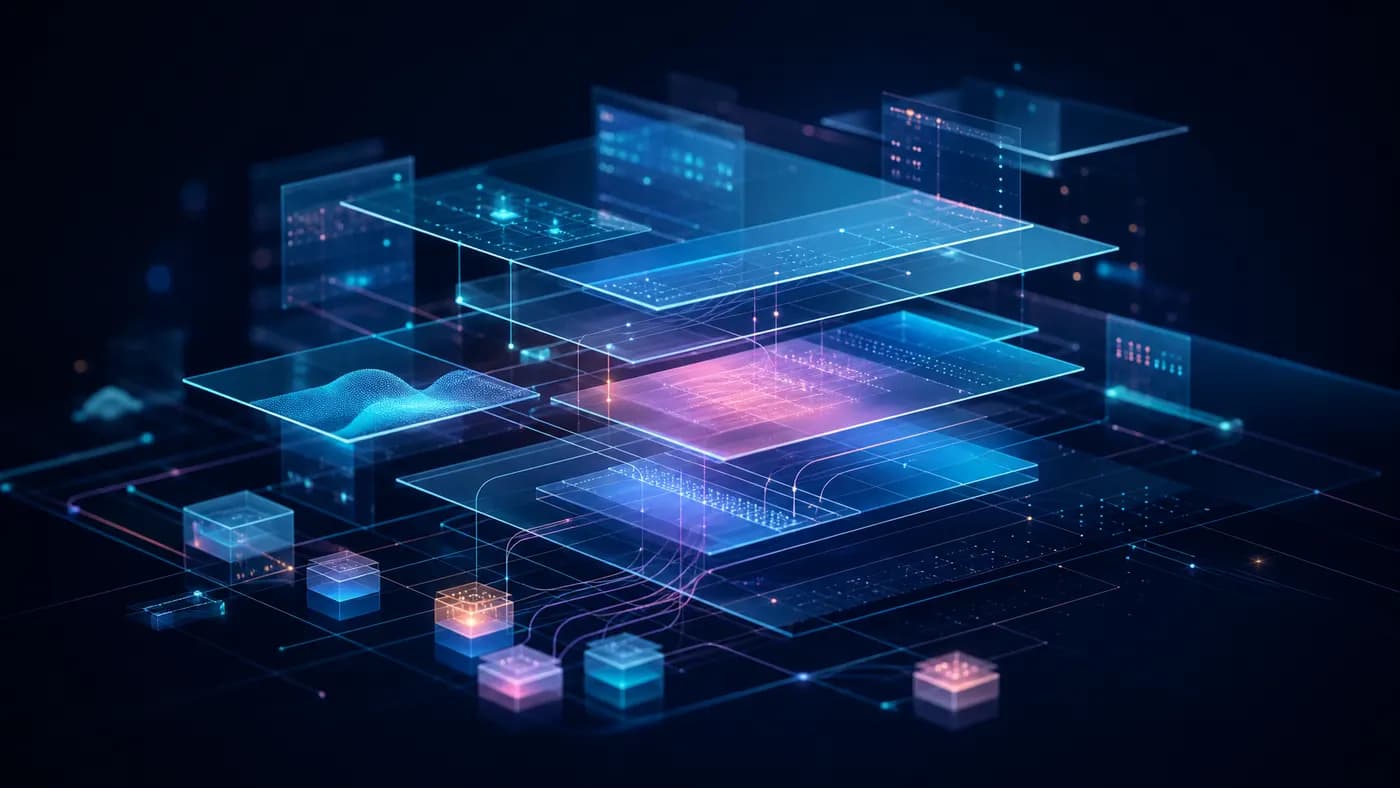
Web apps used to be thin clients connecting to monolithic backends. That era is ending.
Next-Generation Web Apps:
Edge AI: ML models run in the browser, offline-capable
Real-time Collaboration: WebSockets + operational transforms
Progressive Enhancement: Works offline, syncs when reconnected
Personalization: AI understands user intent in real-time
Accessibility-First: Semantics built from the start
Our Full-Stack Development Stack: Frontend: React.js, Next.js (SSR for performance) Backend: Node.js, FastAPI (Python for data science) Real-time: WebSockets, message queues AI: Embedded models, RAG systems, agentic loops
Example: A SaaS platform we built handles:
100k concurrent users
<100ms response time globally (edge CDN)
Offline-first note-taking (syncs on reconnect)
AI-powered search (understands semantic intent)
Accessibility: WCAG 2.1 Level AA compliant
The modern web app is a full-stack intelligence system, not just a UI layer.
We design and build these for SaaS companies, platforms, and enterprises.
Production Line
Get the next post in your inbox
Short updates when we ship new tools or big AI news drops. No spam, one-click unsubscribe.