The Evolution of Artificial Intelligence
Artificial intelligence (AI) has become an integral part of modern computing, transforming the way we live and work.

Artificial intelligence (AI) has become an integral part of modern computing, transforming the way we live and work. Two key aspects of AI are machine learning and deep learning, which enable computers to learn from data and improve their performance over time.
A Brief History of AI
The concept of AI dates back to the 1950s when computer scientists such as Alan Turing and Marvin Minsky began exploring the possibility of creating machines that could think and learn like humans. In the 1980s, AI experienced a resurgence with the development of expert systems, which were designed to mimic the decision-making abilities of human experts.
The Applications of AI
AI has a wide range of applications in various industries, including healthcare, finance, and transportation. For example, AI-powered chatbots are being used in customer service to provide 24/7 support, while AI-powered diagnostic tools are being used in healthcare to help doctors diagnose diseases more accurately. Additionally, AI is being used in transportation to improve safety and reduce congestion.
The Rise of Deep Learning
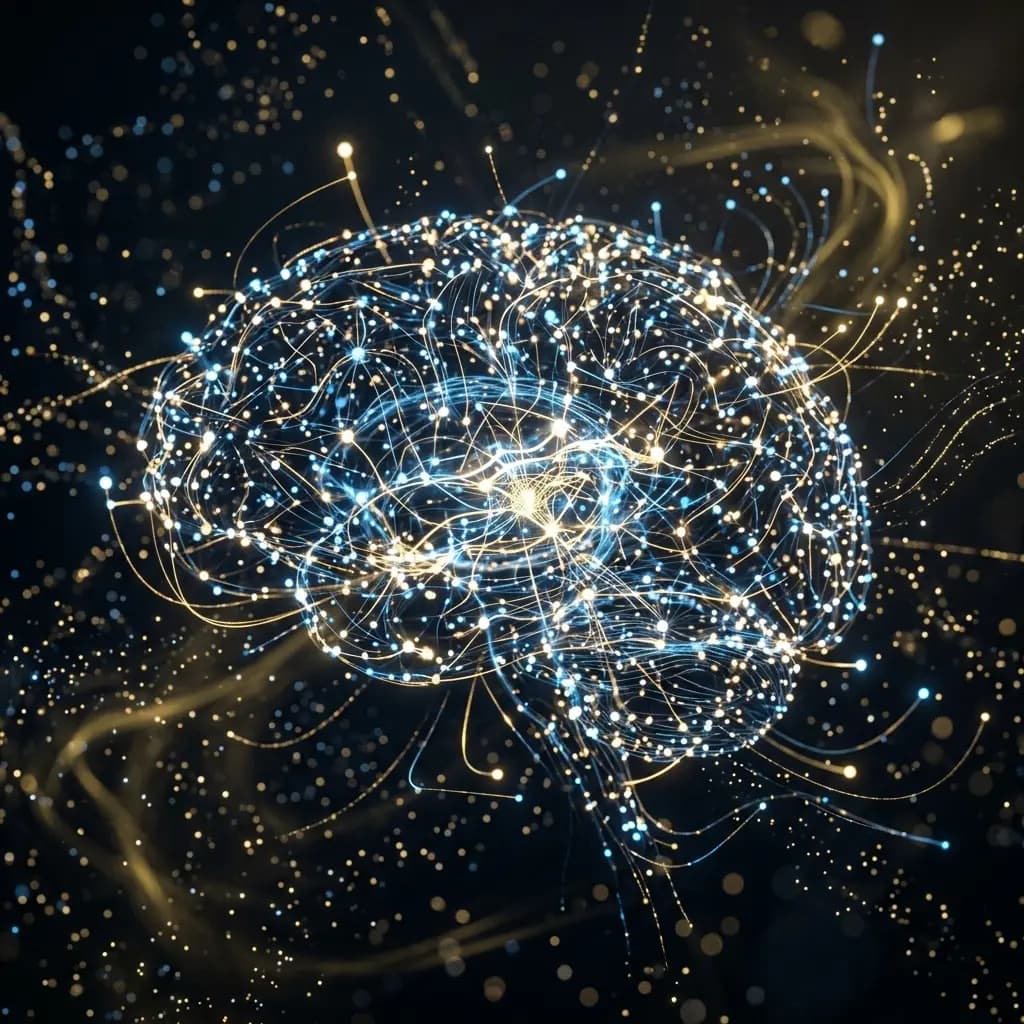
One of the most significant developments in AI is the rise of deep learning, a subset of machine learning that uses neural networks to analyze data. Deep learning has enabled computers to learn from large amounts of data and improve their performance over time. For instance, deep learning algorithms are being used in image recognition, natural language processing, and speech recognition.
Challenges and Limitations of AI
While AI has made significant progress in recent years, it still has several challenges and limitations. One of the main challenges is the lack of transparency and explainability of AI models, which makes it difficult to understand how they arrive at their decisions. Another challenge is the need for large amounts of data to train AI models, which can be a significant barrier for small and medium-sized enterprises.
Conclusion
In conclusion, AI has come a long way since its inception in the 1950s. From expert systems to deep learning, AI has transformed the way we live and work. While there are still several challenges and limitations to overcome, AI has the potential to revolutionize various industries and improve our lives in many ways.
References
Bostrom, N. (2014). A Brief History of Artificial Intelligence.
Goodfellow, I., Bengio, Y., & Courville, A. (2016). Deep Learning.
Russell, S., & Norvig, P. (2020). Artificial Intelligence: A Modern Approach.
Production Line
Get the next post in your inbox
Short updates when we ship new tools or big AI news drops. No spam, one-click unsubscribe.