The Latest AI Developments and Trends
The Latest AI Developments and Trends Artificial intelligence (AI) has been a rapidly evolving field in recent years,...

Artificial intelligence (AI) has been a rapidly evolving field in recent years, with numerous breakthroughs and advancements in various areas. From natural language processing to computer vision, AI has the potential to revolutionize numerous industries and aspects of our lives.
The Rise of Deep Learning
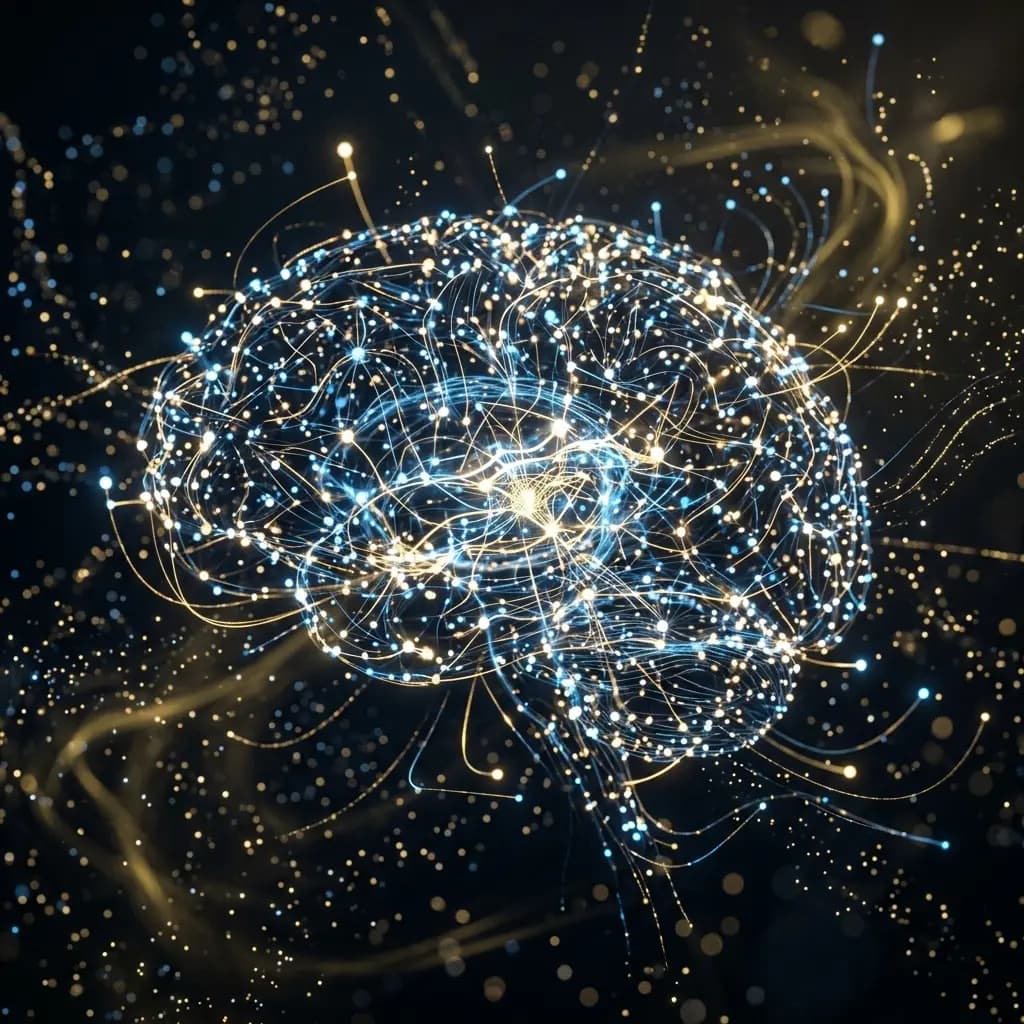
One of the key drivers of AI progress has been the development of deep learning techniques. These methods, inspired by the structure and function of the human brain, have enabled machines to learn complex patterns and relationships in data. Deep learning has been instrumental in achieving state-of-the-art results in image and speech recognition, natural language processing, and game playing.
Applications of AI
AI has numerous applications across various industries, including healthcare, finance, transportation, and education. For instance, AI-powered chatbots are being used to provide customer support and answer frequently asked questions. In healthcare, AI is being used to analyze medical images and diagnose diseases more accurately.
The Importance of Data
Data is the lifeblood of AI. The availability of large amounts of high-quality data is essential for training and fine-tuning AI models. However, collecting and processing data can be a significant challenge. Companies are now investing heavily in data infrastructure and analytics to support their AI initiatives.
The Future of AI
As AI continues to evolve, we can expect to see even more sophisticated applications and innovations. For instance, the use of reinforcement learning to develop more intelligent and autonomous systems. Additionally, the integration of AI with other emerging technologies such as blockchain and the Internet of Things (IoT) will open up new possibilities for AI applications.
Challenges and Limitations
Despite the rapid progress in AI, there are still several challenges and limitations to be addressed. For instance, the lack of transparency and explainability in AI decision-making processes, the risk of bias in AI models, and the need for more robust and secure AI systems.
In conclusion, AI has the potential to transform numerous industries and aspects of our lives. However, to fully realize this potential, we need to address the challenges and limitations associated with AI development and deployment. By doing so, we can ensure that AI benefits society as a whole and enhances our quality of life.
Production Line
Get the next post in your inbox
Short updates when we ship new tools or big AI news drops. No spam, one-click unsubscribe.